


Baluch & Sistan
Persian Baluch Rugs
Showing 1–12 of 243 resultsSorted by latest

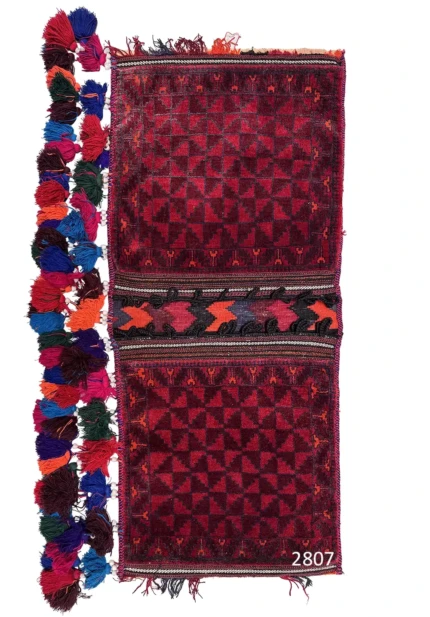
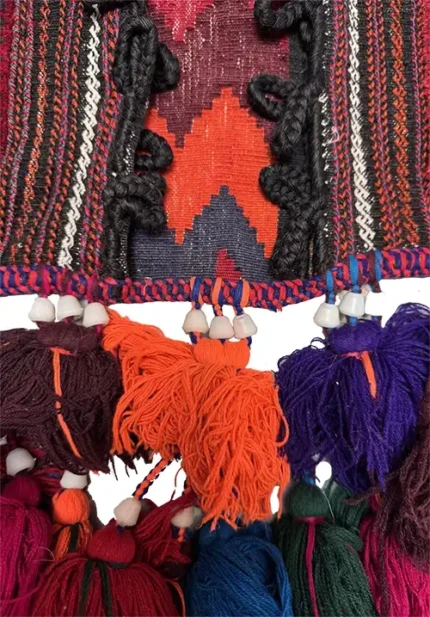
Baluch & Sistan Rugs
Persian Baluch Rugs: Deep Colors and Nomadic Geometry from Eastern Iran
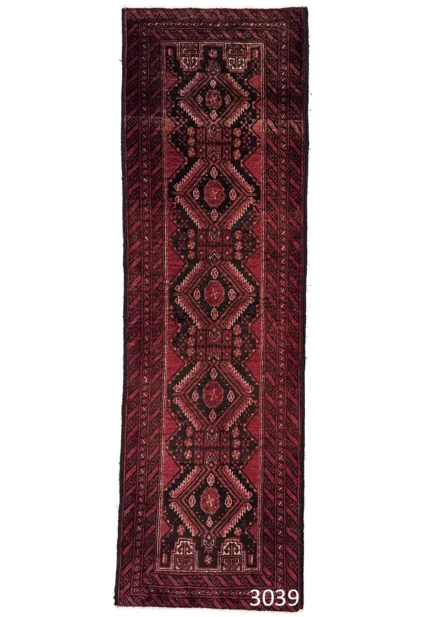
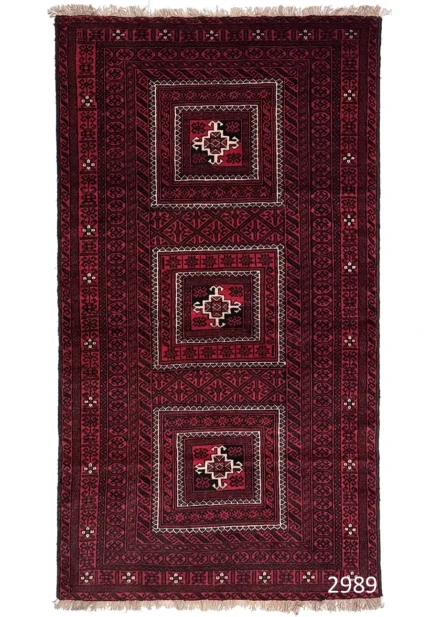
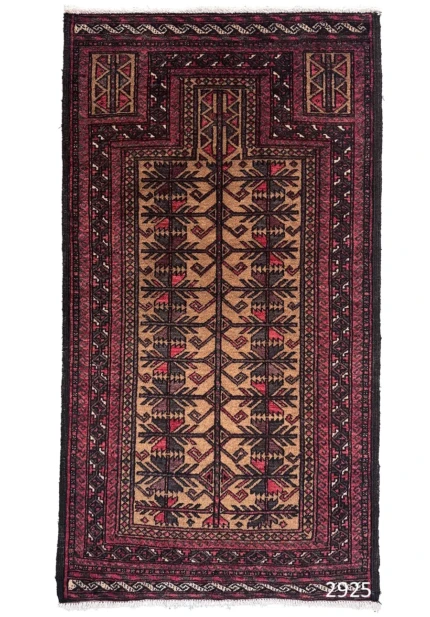
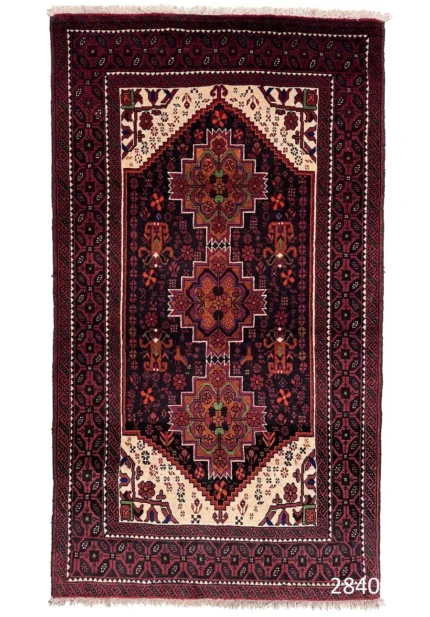
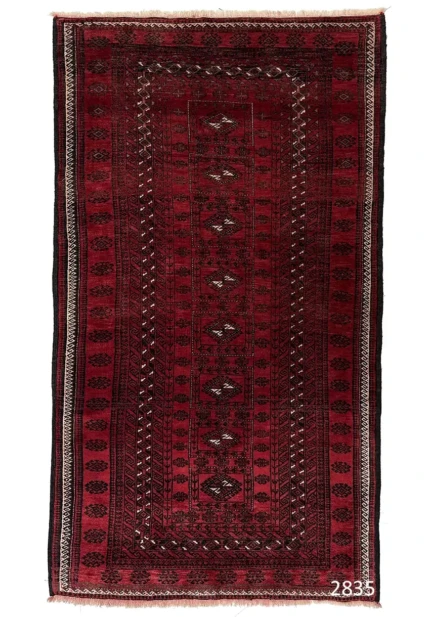
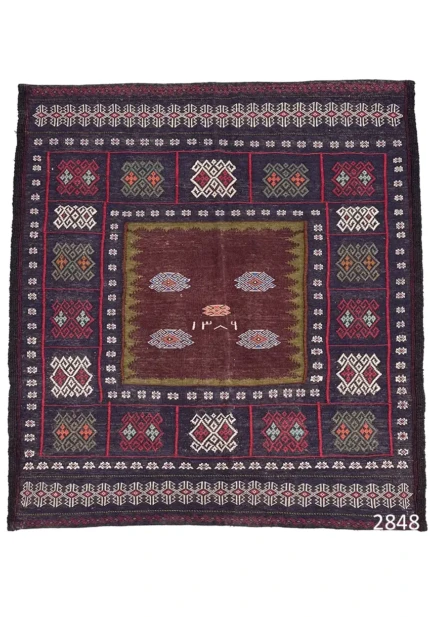
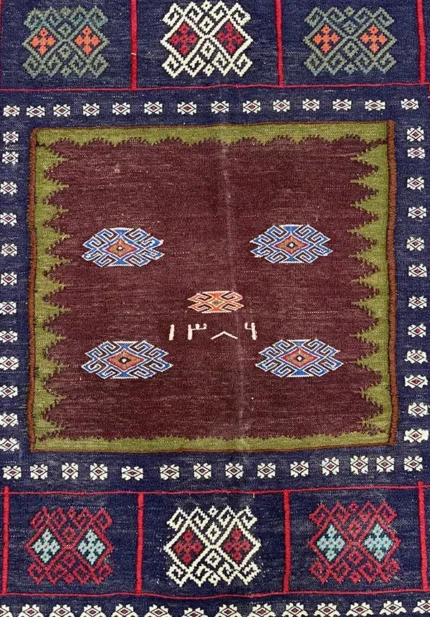
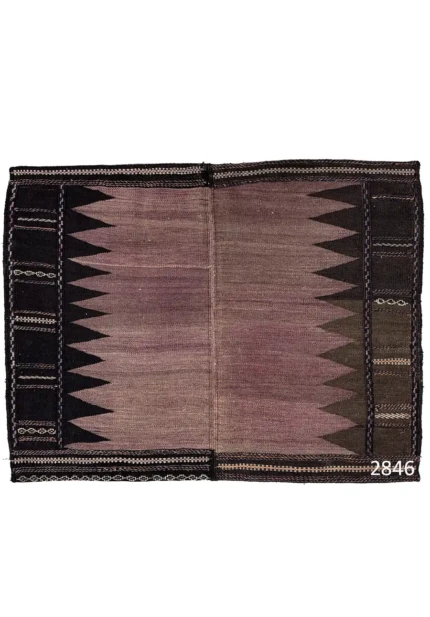
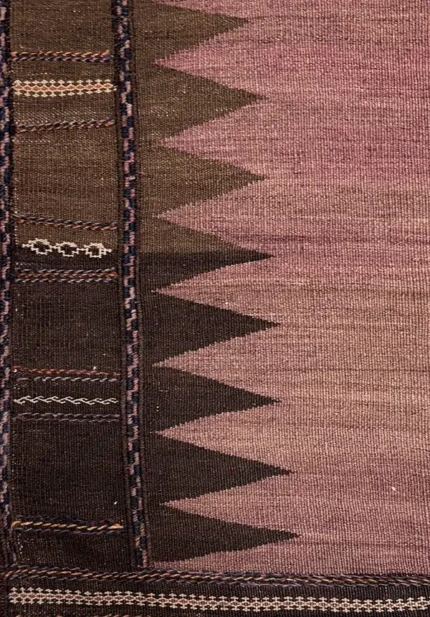
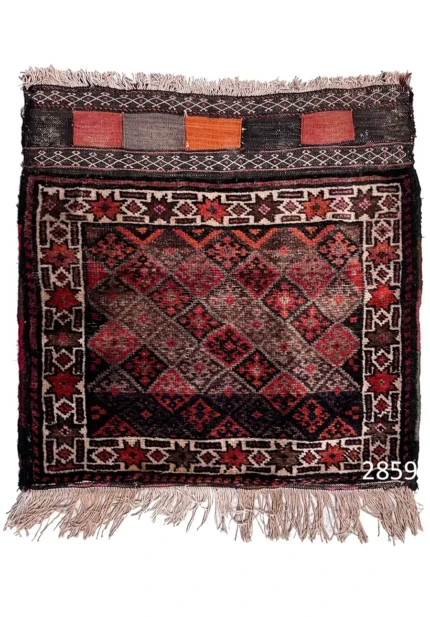
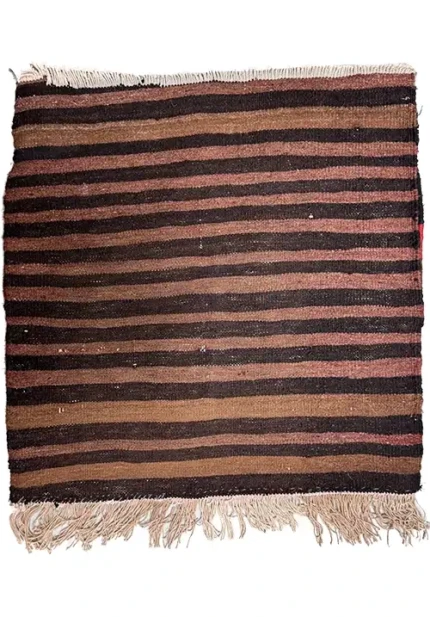
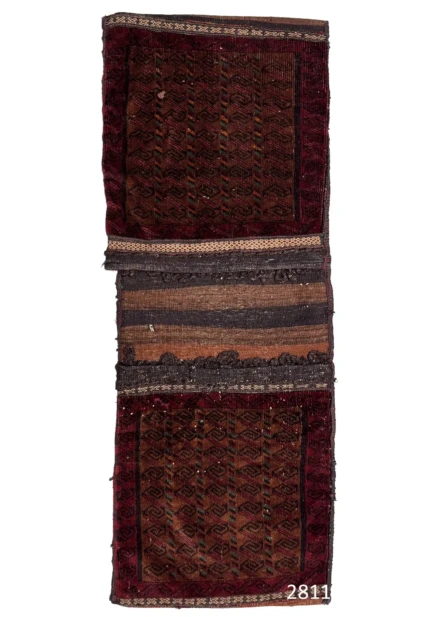
Baluch rugs are perhaps the most iconic of all nomadic Persian carpets, woven by the Baluch tribes in northeastern Iran, particularly in the villages of Khorasan and other Baluch-inhabited regions near the borders of Afghanistan and Pakistan.
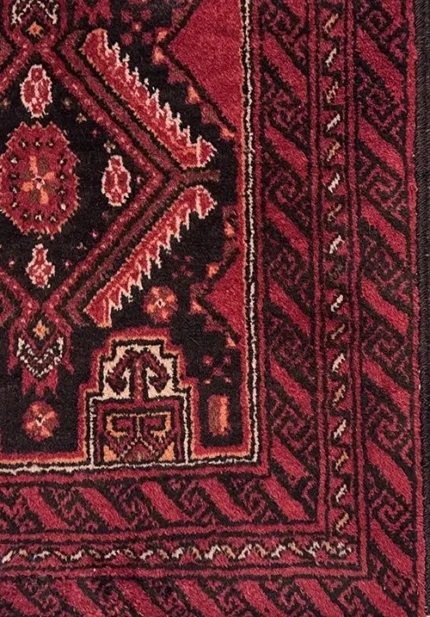
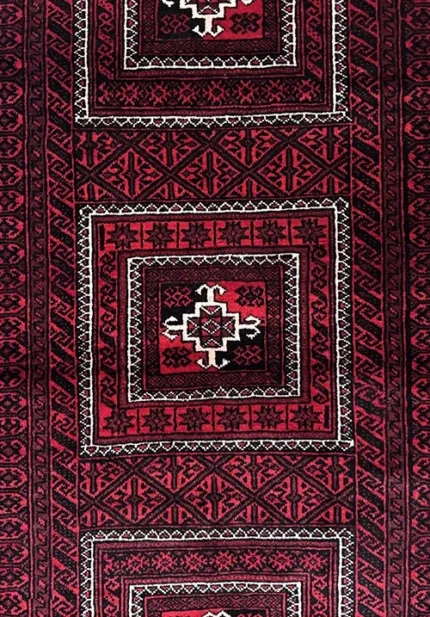
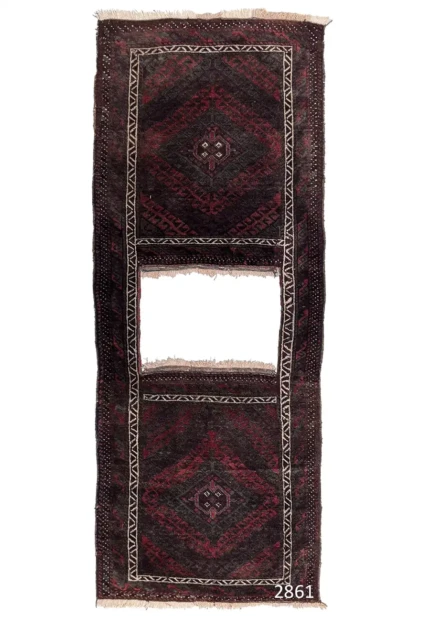
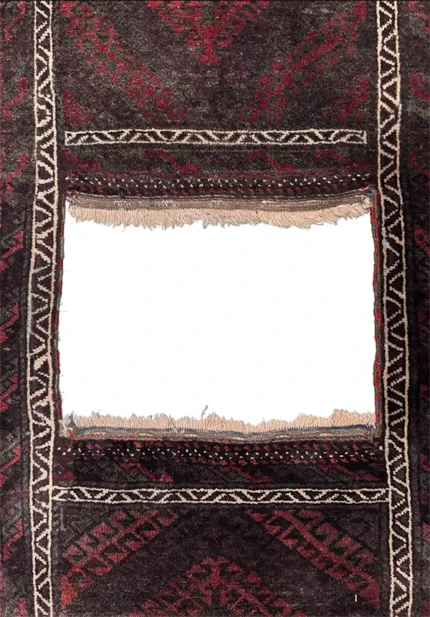
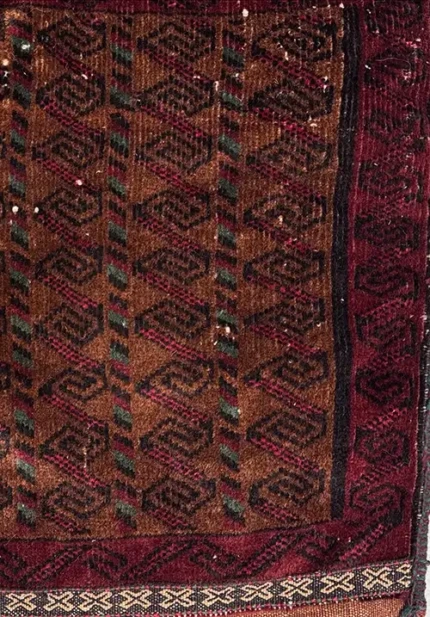
Known for their deep, earthy color palette—dominated by shades of dark red, indigo blue, and black—Baluch rugs are among the darkest-toned handmade carpets in Iran. Their formats are typically more elongated and narrow, making them ideal for hallways and long spaces. While the Baluch people originally hailed from southwestern Iran, most Baluch rug weaving today occurs in the northeast, often by communities that migrated generations ago. Interestingly, rug weaving is largely absent among Baluch tribes in Pakistan and only minimally present in Afghan Baluch groups near the Iranian border.
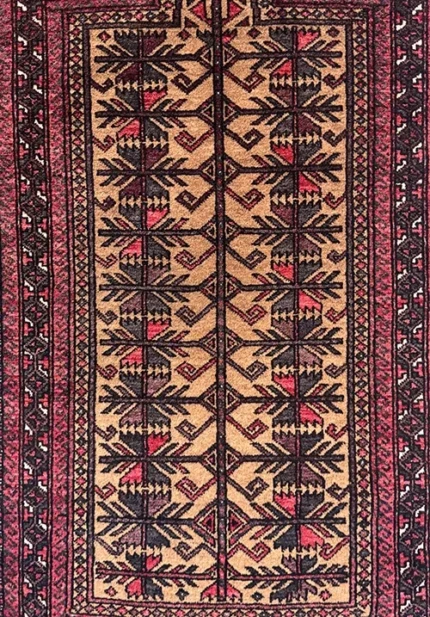
These rugs are usually woven from 100% handspun Baluchi wool, prized for its softness and durability. The designs are geometric, heavily influenced by Turkmen motifs, yet with a looser, more improvisational structure. Unlike the strict symmetry found in classic Turkmen carpets, Baluch rugs exhibit a freer, more expressive design language, reflecting the nomadic spirit and spontaneity of their makers.
Whether used as tribal wall hangings, floor runners, or collector’s pieces, Baluch rugs offer a compelling blend of authentic tribal identity and bold visual character, standing out in any space that values depth, history, and craft.
Sistan Rugs: Zoroastrian Roots and Bright Wool Weaving from Eastern Iran
Sistan, once a vast and ancient cultural region, spanned across parts of today’s Iran, Afghanistan, Pakistan, Kashmir, and even Tibet. In Zoroastrian scripture, Sistan is described as the eleventh blessed land created, and it is believed that the three future saviors (saoshyants) will be born near Lake Hamun—a sacred body of water deeply tied to Zoroastrian mythology. The legendary Persian hero Rostam from Ferdowsi’s Shahnameh also hails from Sistan.
Today, Sistan and Baluchistan is a province in southeastern Iran, shared by two distinct ethnic groups: the Baluch and the Sistani Persians. While most Baluch carpets are woven in northeastern Iran (particularly in Khorasan and Golestan), it is the Sistani people who have preserved an authentic and symbolic rug-weaving tradition in their native region.
Sistani rugs are entirely woven with handspun wool, using a palette of light, earthy colors—especially yellow, green, and blue. These rugs carry visual echoes of ancient spiritual beliefs, with key motifs including:
– Atashdan (Fire Altar)
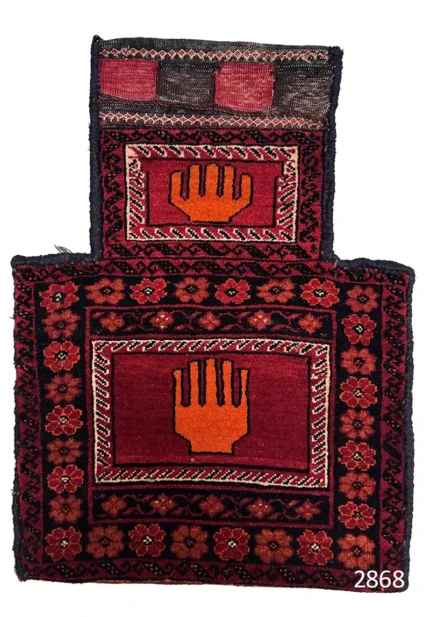
– Panjeh (Palm or handprint)
– Ghandani (Sugar bowl)
– Goldani (Flower vase)
– And vivid animal forms, such as gazelles and camels.
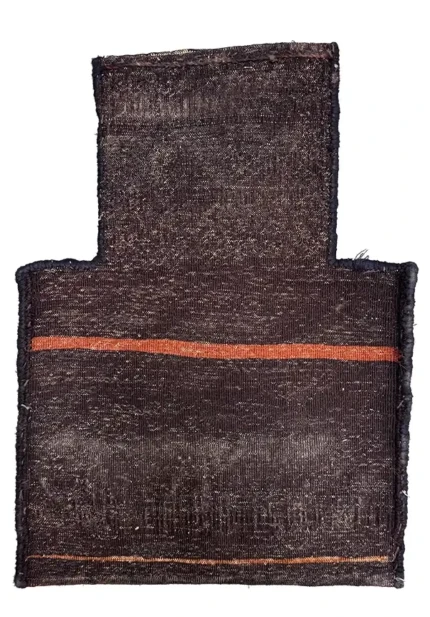
The more pictorial Sistani carpets, often grouped under the name “Hooshangshahi”, feature rich narrative scenes and are among the rarest tribal rugs in Iran. Zabol is the major center of weaving in this region, where artisans also produce kilims, saddle bags, tribal tablecloths (sofreh), ropes, and other woven utilitarian objects.
In the global rug market, Sistani rugs are frequently mislabeled as Baluch, though their motifs, colors, and weaving techniques are entirely distinct. Recognizing and naming Sistani carpets properly is essential to honoring their unique cultural identity and Zoroastrian heritage.
