


Shahsavan
Shahsavan Tribal Weaving
Showing 1–12 of 160 resultsSorted by latest
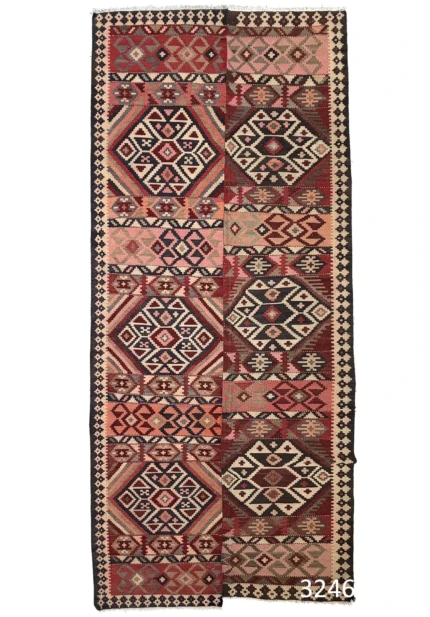
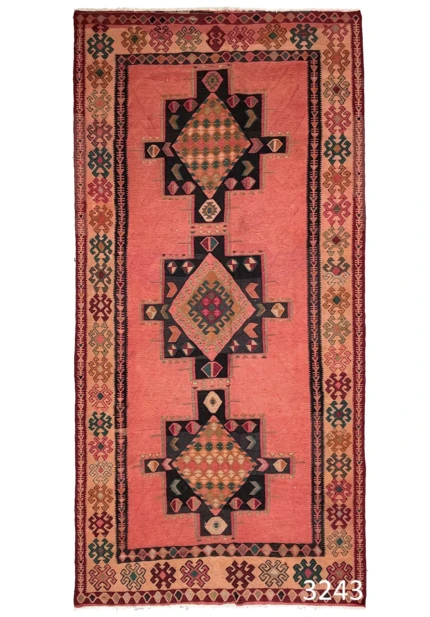
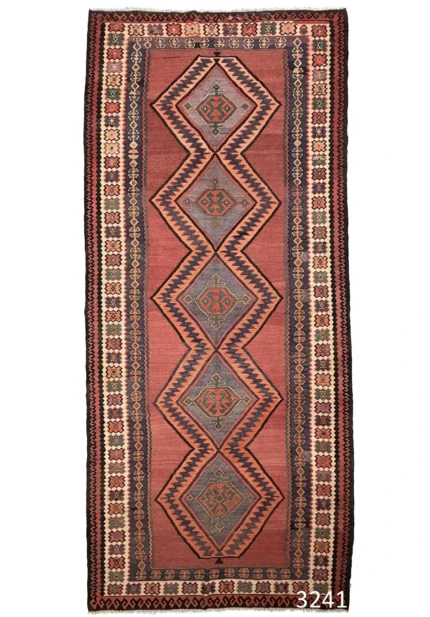
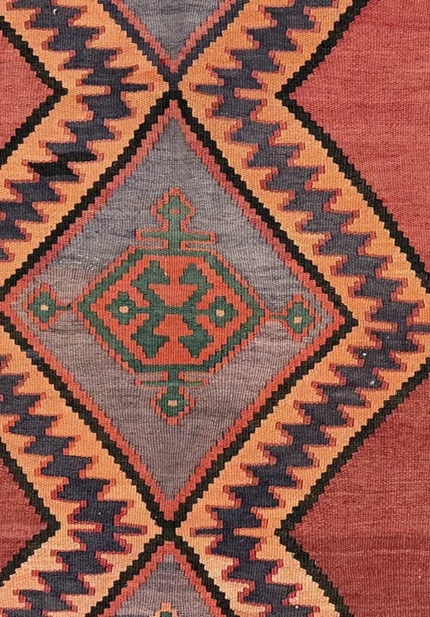
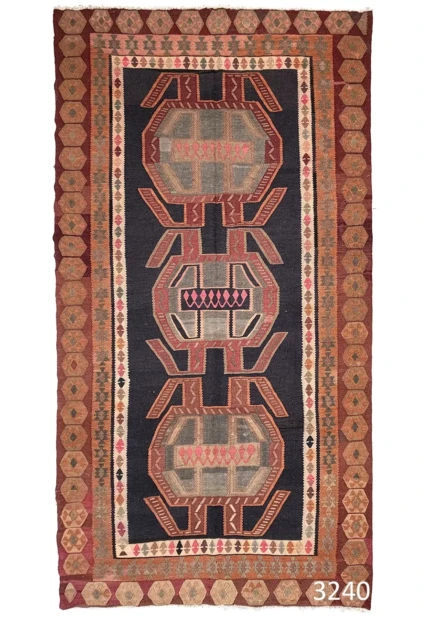
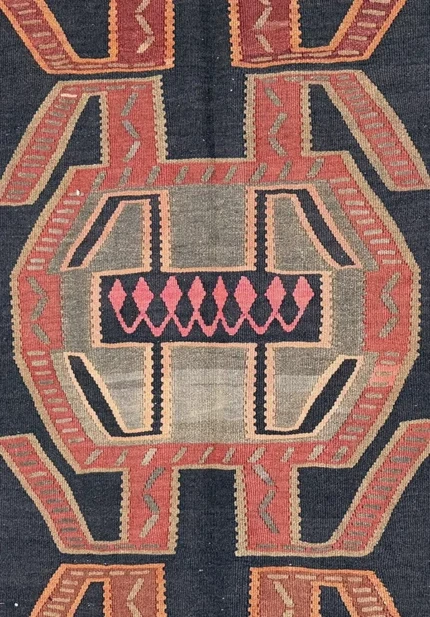
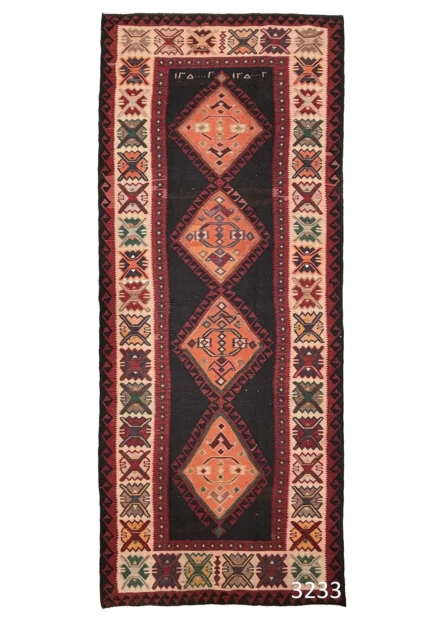
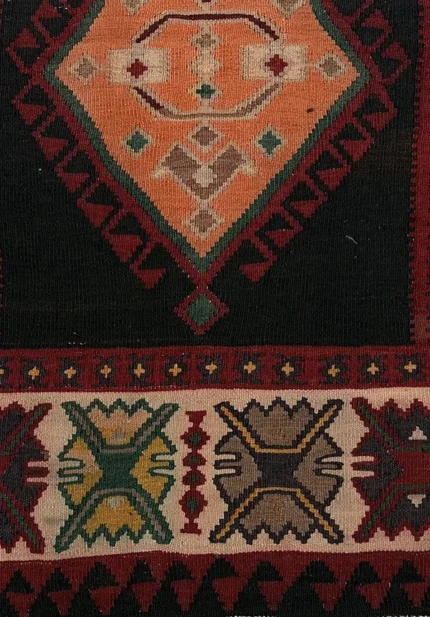
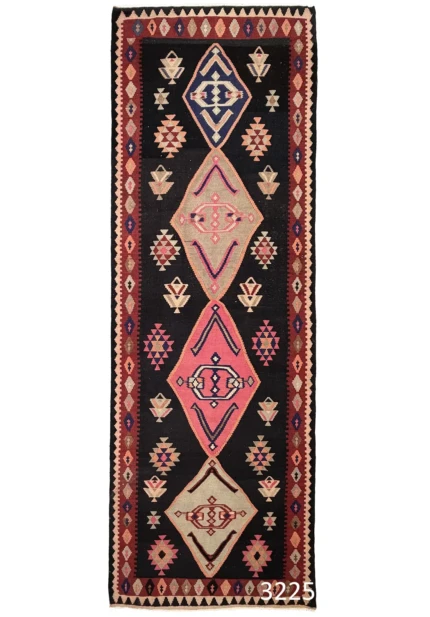
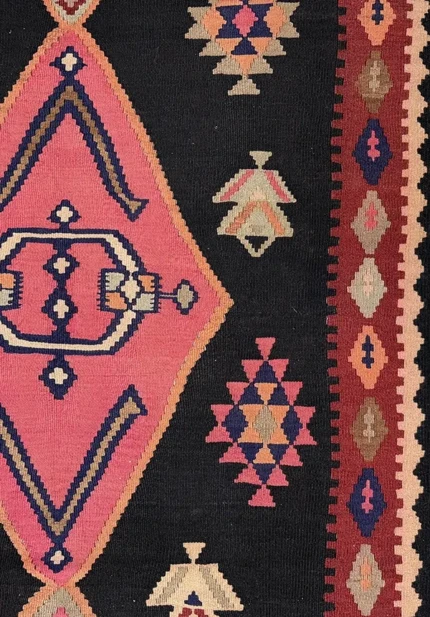
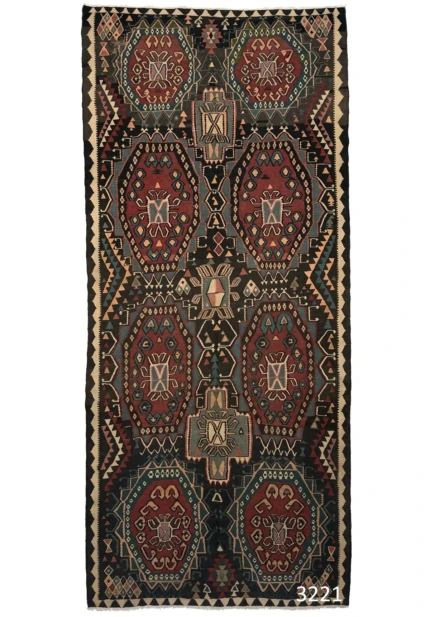
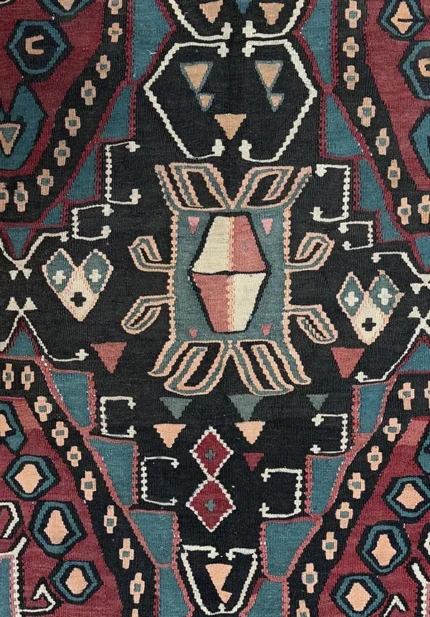
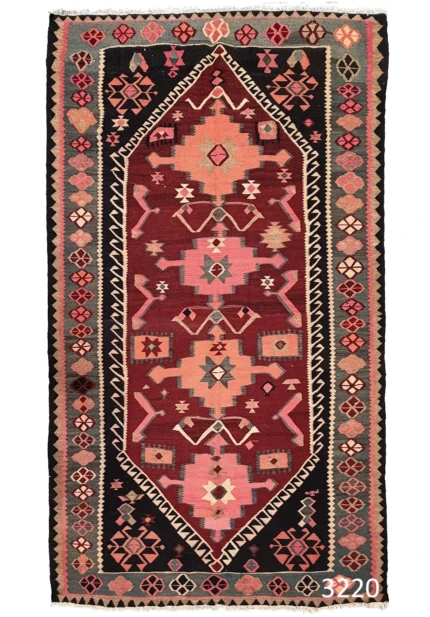
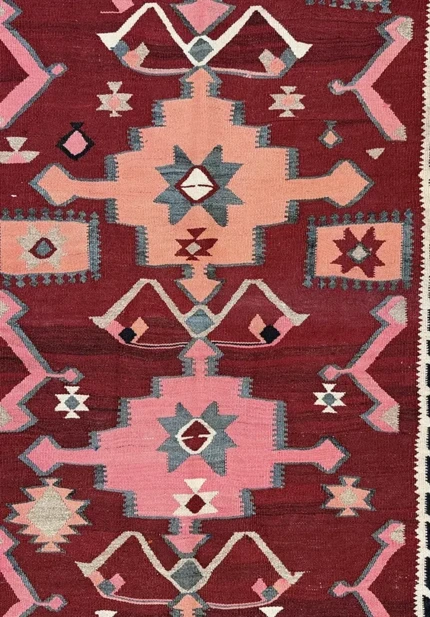
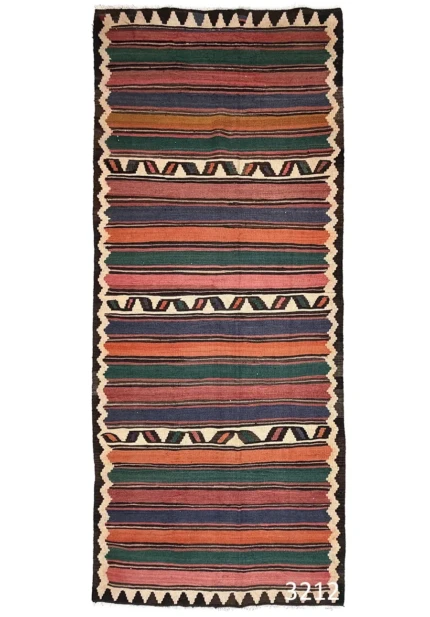
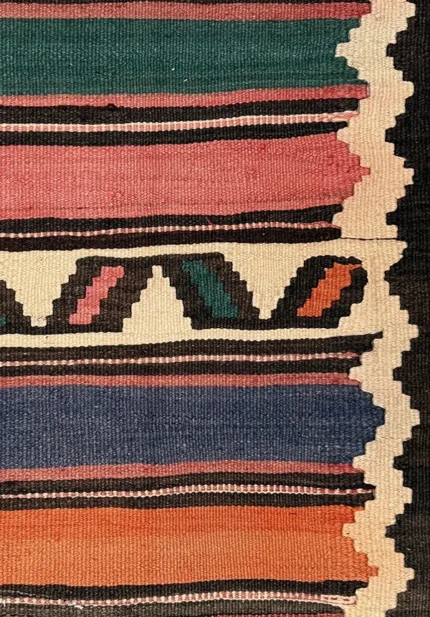
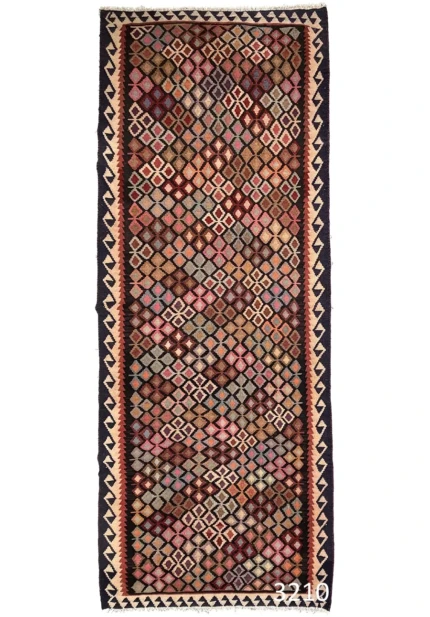
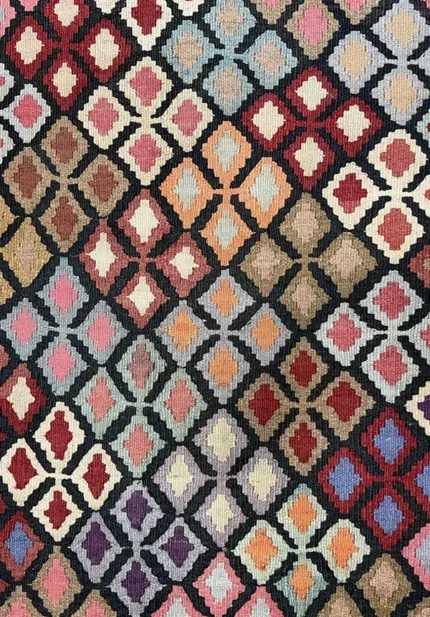
Shahsavan Tribal Weaving: Bold Colors, Oversized Kilims, and Nomadic Utility
The word Shahsavan literally means “those who love the Shah.” According to historical accounts, Shah Abbas I of the Safavid dynasty created the Shahsavan tribal confederation by uniting Azeri tribes from the Moghan Plain with select Kurdish and Armenian clans, aiming to defend the empire’s northwestern borders from Ottoman threats. With strong royal backing, the Shahsavans developed a distinct identity—and one of the most prolific and refined weaving traditions in the Iranian plateau.
Today, Shahsavan tribes are settled across a wide range of territory, from the northwestern plains of Iran to the central regions around Saveh. Their woven legacy is immense. They are widely regarded as the most prolific kilim weavers in Iran, producing not only volume but exceptional quality. Their repertoire includes kilims, saltbags (Namakdan), saddlebags (Khorjin), carry pouches, camel covers, and more—all with purposeful design and striking visual language.
Shahsavan weavings are often categorized by regional identifiers, such as Shahsavan of Hashtrud, Mianeh, or Bijar—each with its own aesthetic signature and technical nuances. Interestingly, pile rugs are less common among the Shahsavans, likely due to the mobile lifestyle of the tribe: kilims are lighter, faster to weave, and more versatile for use as containers, bedding, or covers.
That said, some of the finest Shahsavan pile rugs on the market come from Saveh, known for their garden (Bagh) and crown (Taj) patterns. These rugs often feature cotton warps and pink-dyed wefts, a telltale sign of Shahsavan construction.
The world of Shahsavan kilims is vast—too expansive for any single book. However, certain hallmarks are universally recognizable:
– Larger-than-average sizes
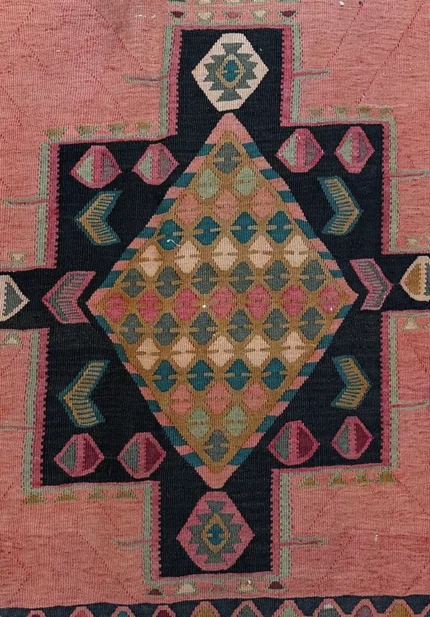
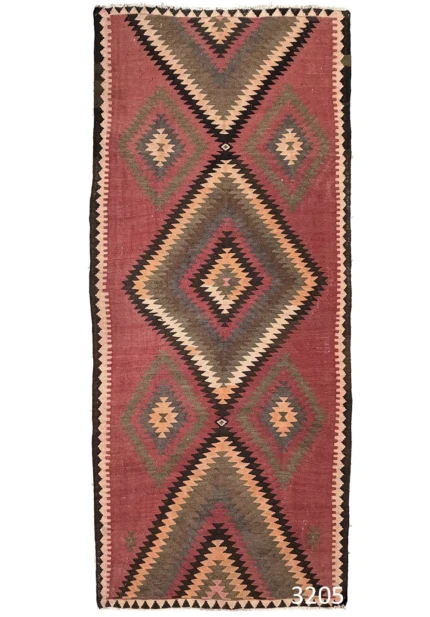
– Oversized central medallions (toranj)
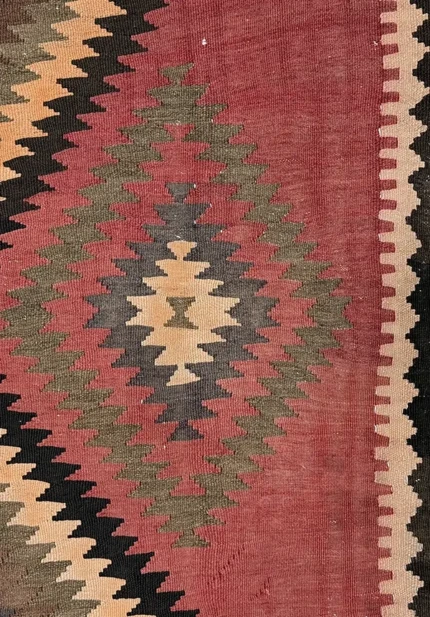
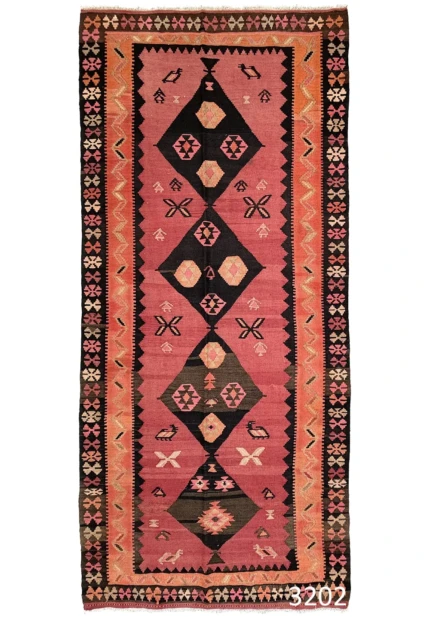
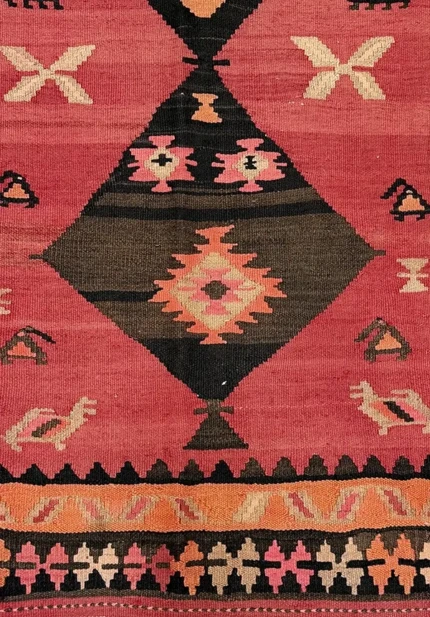
– Bold geometric designs
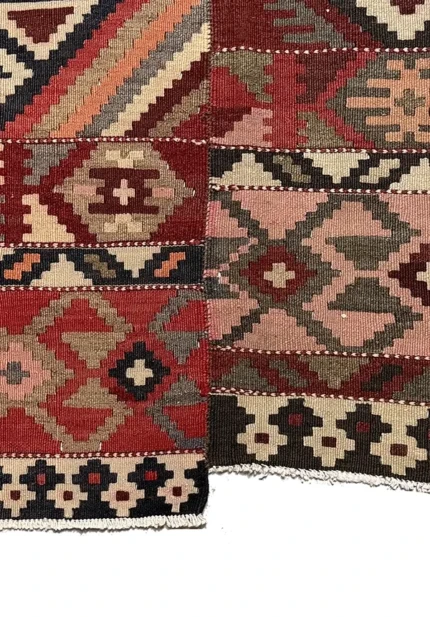
– Slit-weave (chackdar) or soumak techniques
– High-quality wool
– Vivid colors like magenta, saffron yellow, and violet—colors chosen with courage and clarity.
In fact, a significant share of all tribal and village flatweaves in Iran—in terms of both number and quality—can be attributed to the Shahsavan tradition. Their textiles are not just beautiful objects, but markers of identity, function, and storytelling woven into every line.
